
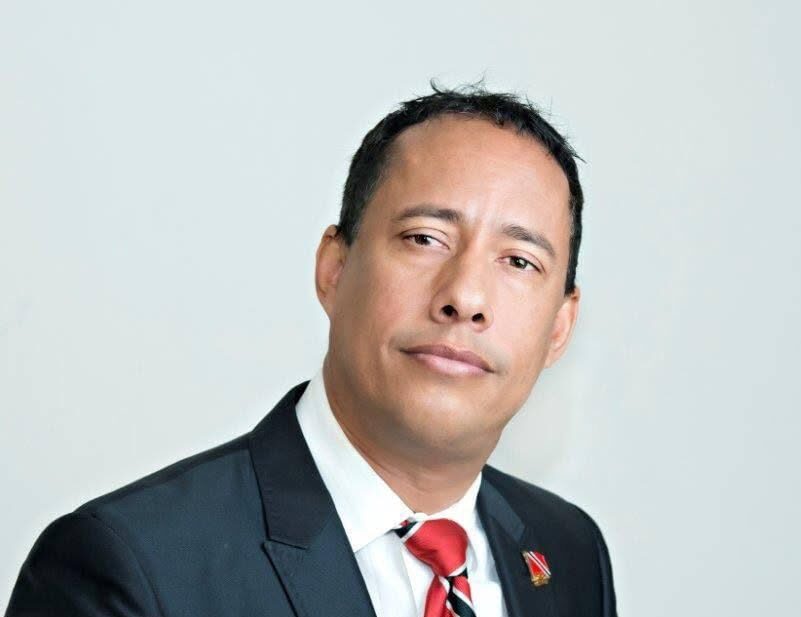
PORT OF SPAIN, Trinidad, Jul. 25, CMC -Former National Security Minister Gary Griffith is calling for an immediate independent investigation into the leak of an audio recording purportedly featuring Syrian businesswoman Star Sabga, saying the apparent breach of the Strategic Services Agency’s (SSA) intelligence systems is a greater national security concern than the contents of the recording itself.
The recording, which has circulated publicly, allegedly contains comments described as a threat against Prime Minister Kamla Persad-Bissessar. However, Sabga has not been charged with any offence arising from the audio.
In a statement on Saturday, Griffith said it was not for politicians or members of the public to determine whether the alleged comments constituted a criminal offence.
“Whether the alleged statements amount to treason, sedition, conspiracy, a threat against a public official, or no offence at all, that is for the police, the DPP and the courts to decide, not for politicians, social media commentators or the public,” he said.
Instead, Griffith said his immediate concern was how what appeared to be a confidential intelligence intercept allegedly obtained through a State intelligence agency had entered the public domain.
“The immediate issue is simple. How did an alleged intelligence intercept, supposedly protected by the strictest secrecy, enter the public domain?” he asked.
He warned that if the recording did originate from the SSA, the leak would represent “one of the gravest breaches of national security and intelligence confidentiality in the history of Trinidad and Tobago.”
According to Griffith, intelligence agencies are entrusted with extraordinary powers to protect national security, “not to embarrass, target or assassinate the character of citizens or advance political interests.” He argued that information obtained through lawful surveillance must remain secure and only be disclosed through the appropriate legal process.
Griffith said the alleged breach should concern every citizen because it raises broader questions about the security of private communications.
“If confidential material can be removed from protected systems and circulated publicly, no one can be assured that their calls, messages or emails would not be similarly abused,” he said.
He also questioned whether the recording, reportedly used as part of the intelligence supporting Preventive Detention Orders (PDOs) issued against Sabga and Genevieve Hadeed, met the standard of credible intelligence.
“If this was the basis for credible intelligence for that incarceration, it demonstrates the total lack of intelligence of the individual who signed the PDO based on what was deemed credible intelligence,” Griffith said.
He maintained that the motive behind the leak was secondary to the breach itself.
“Whether it was intended to embarrass someone, influence public opinion, advance a political narrative, undermine an investigation or prove that no offence occurred, that is all irrelevant. The breach remains the same. Intelligence material must never become political propaganda,” he said.
The former police commissioner warned that such a leak could compromise ongoing investigations, expose intelligence methods, damage cooperation with local and international partners and erode public confidence in both the SSA and the wider national security framework.
Griffith is calling for an independent and transparent investigation to determine whether the recording is authentic, whether it originated from the SSA, who accessed, copied or distributed it, whether security protocols were breached and whether any politician, public official or intelligence officer authorized, facilitated or benefited from its release.
He argued that the investigation should not be conducted solely by the agency whose systems may have been compromised and said officers responsible for safeguarding the material should be removed from operational duties pending the outcome of the probe.
Griffith also called on Homeland Security Minister Roger Alexander, who has responsibility for the SSA, to explain how the alleged intelligence recording found its way into the public domain.
“The country deserves answers, accountability and immediate corrective action,” he said, while urging a comprehensive review of the SSA’s leadership, security systems, access controls, oversight mechanisms and political independence.
The issue has also drawn a response from Housing Minister Phillip Edward Alexander, who said the recording “sounded authentic” to him but declined to say whether its contents justified the legal action taken against those named.
Alexander said he preferred to await the outcome of the investigation and any additional evidence before commenting on whether the recording constituted a threat to national security.
He also argued that the recording exposed what he described as racial prejudice within sections of the business community, claiming it highlighted “the level of race-based hate” among some individuals.
Commenting on the leak itself, Alexander said it reflected a troubling erosion of confidence in the justice system, noting that confidential legal matters have increasingly found their way into the public domain.
At the same time, he dismissed Griffith’s call for an inquiry, saying the former police commissioner had “lost all moral authority” to comment on the issue.
Despite that criticism, Alexander expressed support for Police Commissioner Allister Guevarro and his efforts to strengthen the country’s law enforcement system.
Meanwhile, Security and Strategic Affairs leader and former National Operations Centre director Garvin Heerah has declined to comment while investigations continue.
Sabga remains detained under a Preventive Detention Order, while Genevieve Hadeed and her husband, Dominic Hadeed, have been released subject to court-imposed conditions.
CMC/tt/kb/2026