
ROSEAU, Dominica, Nov 10, CMC – The Dominica Public Service Union (DPSU), Tuesday welcomed the passage of legislation providing a bridge pension to public officers until they reach 65 years even as it urged the government to do away with measures dating to the colonial era.
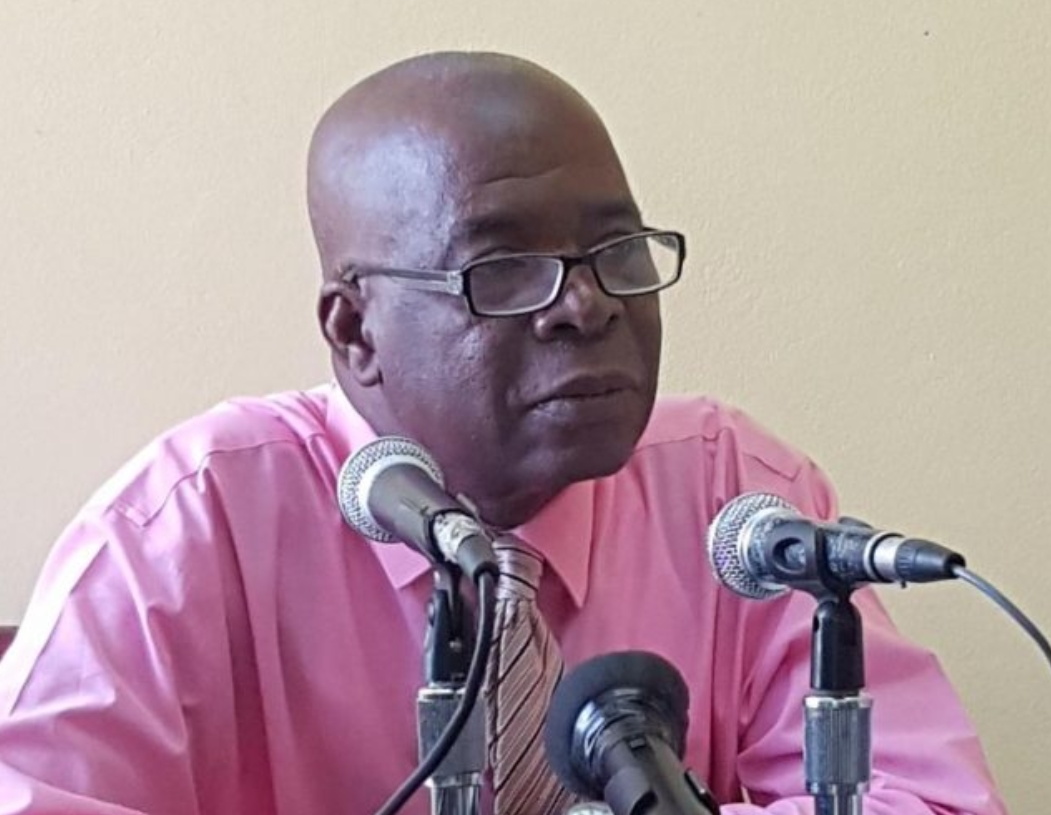
DPSU general secretary, Thomas Letang, said that the passage of the Pension Amendment Act in Parliament on Monday night, “is something that the DPSU is happy about and it is as a result of effective negotiations on behalf of public officers.
“That development sends a strong message to the union’s critics that over the years the union has successfully negotiated long-term benefits on behalf of its members,” Letang said.
Finance Minister Dr. Irving McIntyre, who piloted the Pension Amendment Act, told legislators that the bill proposes two policy amendments to the existing legislation.
He said the Act presently provides for a bridge of pension to be paid by government up to the age of 65 years for persons who retire after being on permanent establishment for more than 10 consecutive years.
“Government retirement age is 60 years. However, pensioners may choose early retirement after their 55th birthday. A bridge pension is required to provide financial support to retiree until they become qualified for full pension from the Dominica Social Security,” McIntyre said.
He said there are currently two issues affecting retirees from the public service, noting that individuals who are employed as non-established workers are required to retire at 60 years, but they are not entitled to a bridge pension.
“This, therefore, forces them to apply for early pension from Dominica Social Security, which is much less than if they began to receive pension from age 65,” McIntyre said, noting that the government’s decision to pay the bridge pension to retirees in the public service recognises the service of public officers over several years.
McIntyre said that it provides for non-established workers retired on or after 1st of July 2025 to receive a bridge pension until the age of 65 and for persons who are on permanent establishment and retired from July 1st, 2025, if their pension from the Social Security after age 65 is less than the bridge pension paid by government.
Letang said that what the recent development means is that at 60 years, which is the age of retirement in the public service, “non-established employees, like established employees, will receive a government pension for five years.
“That is when they will then become eligible for social security pension,”Letang said, adding that the government’s decision will make it easier for non-established workers who can now expect a government bridge pension at 60 years.
“This will result in non-established people who retire not being forced to take the reduced pension from the Dominica Social Security. People’s pension works out to about 50 per cent of their salary. Without that benefit being extended to non-established people, what it would mean is that on that 50 per cent pension, which is 50 per cent of the salary that they would have gotten, that would be further reduced by 30 per cent has it not been for the bridge pension because they would have no choice but to accept the registration from the Dominica Social Security.”
Letang said that with that development, it is no longer the case, reiterating that “the non-established employees will now receive the bridge pension just like the established employees”.
He said that union is in the meantime will continue in its effort to get the government to have all non-established public service positions upgraded to established “since it is in our view … a colonial arrangement which no longer exists in any modern and politically independent state.
“So we believe the time has come when we should do away with that classification or that category of non-established people and have all government employees public officers being treated as established employees,’ Letang added.
CMC/jd/ir/2026