
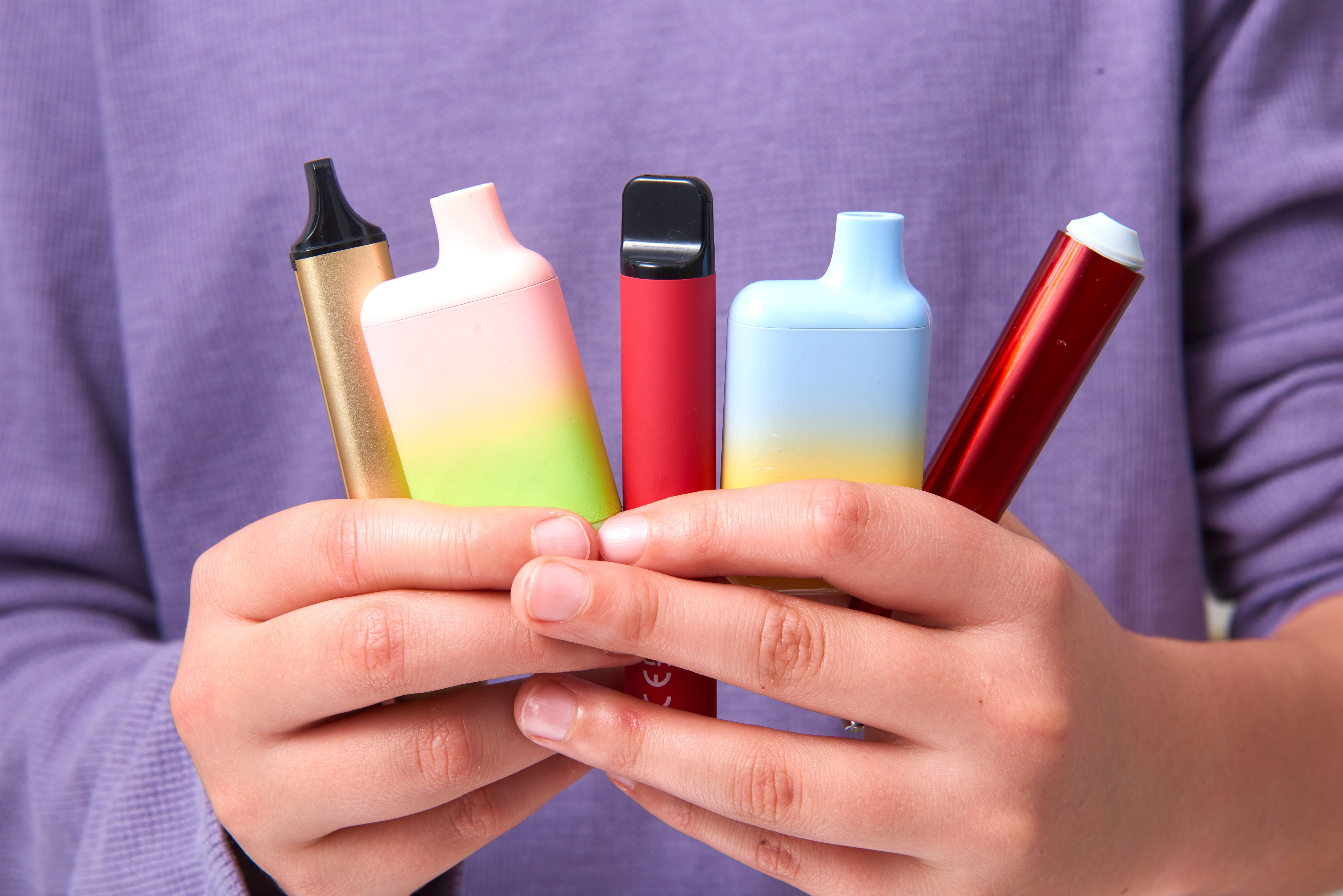
GEORGETOWN, Guyana, Nov 12, CMC – The Guyana government has formally restricted the importation of vaping products, devices and related substances, following concerns about their growing use among children and young people and the potential public health risks.
Senior Minister in the Office of the President with Responsibility for Finance, Dr Ashni Singh, signed the Customs (Amendment of Second Schedule) Order 2026 on Wednesday, which was subsequently published in the Official Gazette.
The Order amends the Second Schedule to the Customs Act to prohibit the importation of vaping products, vaping devices, components and substances, except where approval is granted in writing by the Minister responsible for Health.
The Health Minister may only grant approval where the products are intended for scientific research, training or medical purposes.
The measure follows an announcement by President Irfaan Ali, who said the government had been prompted by concerns raised by parents, teachers, religious leaders and other members of society about the widespread and unregulated importation, sale and use of vaping products.
Ali cited concerns about nicotine addiction, potential effects on brain development in children and adolescents, risks during pregnancy, and possible respiratory and mental health consequences.
“The absence of complete knowledge about those long-term effects must not be mistaken for evidence of safety,” he warned.
The President said discussions with parents, teachers and children had highlighted concerns about vaping among teenagers and schoolchildren. He urged families, educators, religious leaders and community representatives to help raise awareness about the risks, particularly those associated with additives.
“We have to protect our children, we have to protect our schools, we have to protect our society,” he said.
Under the Order, vaping products are broadly defined to include devices, components and substances, whether or not they contain or are intended for use with nicotine, tobacco, cannabis, cannabinoids or other substances.
Vaping devices include disposable, rechargeable or refillable equipment that uses a battery, electric current or another energy source to heat or vaporise substances for inhalation.
The definition covers electronic cigarettes, electronic cigars, electronic pipes, vape pens, pod devices, box mods, dab pens and dry-herb vaporisers, among other equipment.
Vaping substances include e-liquids, oils, distillates, concentrates, waxes, resins and gels, whether or not they contain nicotine or cannabinoids, where they are packaged, labelled, marketed or intended for use with a vaping device.
The Order excludes medical inhalation products, humidifiers, diffusers and similar appliances designed to release vapour or mist into a room rather than for direct inhalation.
It also provides exemptions for devices designed and manufactured for the diagnosis, treatment, mitigation or prevention of diseases, disorders or abnormal health conditions and their symptoms.
Ali said the restriction was intended to strengthen public health safeguards while allowing the relevant authorities to approve legitimate medical and therapeutic applications.
CMC/ed/2026