
PORT OF SPAIN, Trinidad, Oct 6, CMC – The Caribbean Court of Justice (CCJ) has dismissed a legal challenge by Maya representatives who had sought to determine whether parts of the proposed Maya Customary Land Tenure Bill complied with the 2015 agreement recognising Maya customary land rights.
The Maya Leaders Alliance, Toledo Alcaldes Association and representatives of Maya villages had asked the CCJ, the country’s highest and final court, to review six provisions in the draft legislation, arguing that they could undermine rights recognised in the 2015 Consent Order.
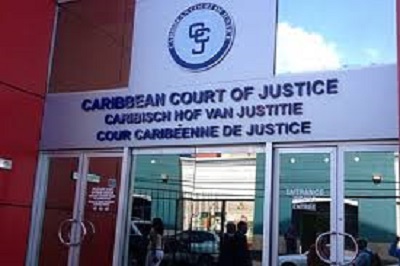 But the Trinidad-based CCJ in its ruling noted “that it ought not to intervene at this point in the way asked for by the Appellants, and would instead encourage the parties to continue the consultative process”.
It said that this would help “develop the legislative, administrative and/or other measures necessary to create an effective mechanism to identify and protect the property and other rights arising from Maya customary land tenure, in accordance with Maya customary laws and land tenure practices”.
The CCJ said that there is a further consideration, which explains why it declined to resume an interventionist role.
“Since the 2015 judgment and Consent Order, this Court retained a hands-on monitoring role over implementation, an unprecedented and purposeful choice made so that the promise of the judgment would be translated into practical lived reality.
“Through that supervision, the Court guided the parties to map, demarcate and secure titles, to build institutions capable of respecting customary governance, and to ensure that development decisions affecting Maya lands would be taken lawfully and with genuine consultation.”
The CCJ said that the supervisory phase was brought to a close in October 2025 and that the Court being satisfied that the core elements of implementation had taken root and that its supervisory role had achieved its purpose.
“Implementation remains an ongoing task, belonging now to the institutions and communities of Belize and guided by the mechanisms that have been established. The rights affirmed in 2015 are not museum pieces, they are tools for dignity, development and peaceful coexistence.
“We affirm those sentiments today as we did then. The collaborative process to which the definition of the tenure was remitted is now underway, and it should be given every allowance to complete its journey,” the CCJ ruled.
The CCJ said there would be no order as to costs.
The 2015 Consent Order recognised that Maya customary land tenure exists in Belize and gives rise to constitutionally protected property rights. It also required Government to develop measures to identify and protect those rights in consultation with the Maya people.
The spokesperson for the Maya Leaders Alliance, Cristina Coc, said she does not regard the ruling as a “setback” and that the “government is now more firmly on notice that it needs to adhere to the relevant standards and not just exercise its imaginations.
“And I think that the justices, particularly Justice Jamadar made it clear to them that this is not just about you imagining what Maya customary land tenure is. It exists. There’s a system there. Who best to know that system than the people who practice it themselves? And it’s a fact,” she said.
CMC/ag/ir/2026.