
PORT OF SPAIN, Trinidad, Jul 10, CMC- The Judiciary of Trinidad and Tobago Friday issued a new Practice Direction on the use of Generative Artificial Intelligence (Gen AI), establishing a framework for the responsible and ethical use of AI in court proceedings.
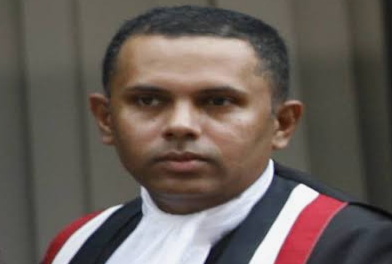
Chief Justice Ronnie Boodoosingh, who issued the new policy, said the policy took effect on July 8 and was published in the Trinidad and Tobago Gazette a day later.
It provides guidance for judicial officers, attorneys-at-law, litigants, witnesses, experts and other court users on the appropriate use of generative AI within the justice system.
”The Practice Direction supports the Judiciary’s ongoing efforts to modernise the administration of justice while ensuring that judicial decision-making remains grounded in human judgment, professional ethics, fairness and accountability,” according to a statement issued by the judiciary.
“Recognising both the opportunities and risks presented by rapidly evolving AI technologies, the Practice Direction addresses concerns such as fabricated legal authorities, inaccurate citations, bias, confidentiality risks and the misuse of AI-generated content in court filings.”
The judiciary said that among its key provisions, the Practice Direction, affirms that court proceedings must remain human-controlled and that AI cannot replace independent legal or judicial judgment and permits the limited use of AI for drafting and administrative purposes, subject to verification of all facts, authorities and legal citations.
The new initiative prohibits the use of AI to generate evidence, including affidavits and witness statements, except for limited formatting and language assistance. It also requires disclosure whenever AI has been used in preparing court documents, including certification of the AI tool used and confirmation that all legal authorities have been
independently verified restricts the use of AI by judicial officers to administrative and research functions and prohibits its use in judicial reasoning or drafting judgments.
The new directive empowers the Court to require additional disclosure and impose sanctions where AI is misused in court proceedings.
“We should not wish AI to be deciding cases for us… It can provide useful data for us to make human decisions,” Justice Boodoosingh said in a recent comment on the role of artificial intelligence in the justice system.
“The question is not whether AI should be used, but how can we responsibly use AI as a tool to assist us in making the human judgments that we need to make?,” he added.
CMC/fg/ir/2026