
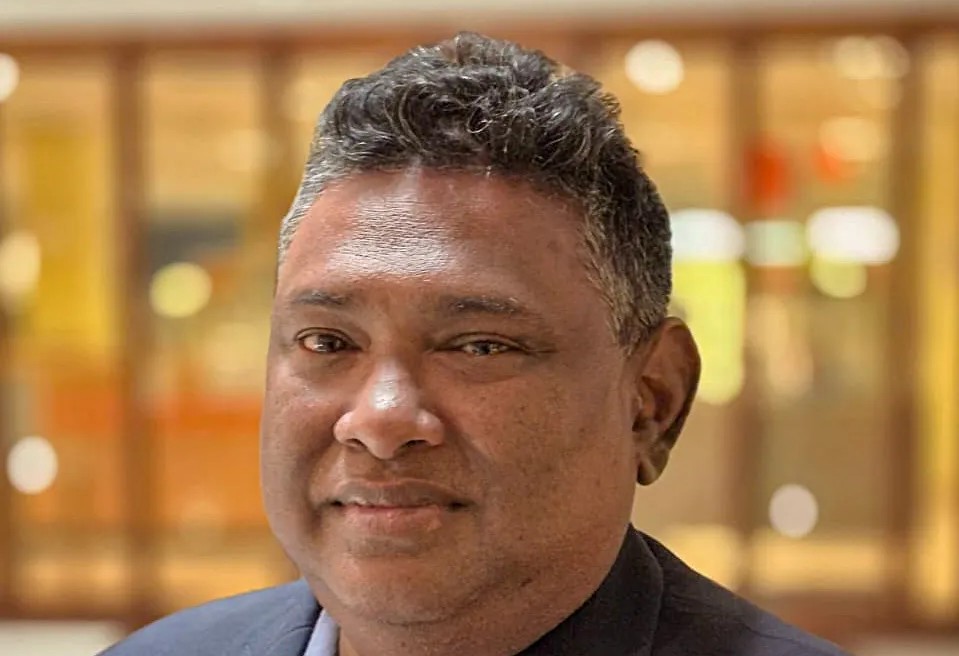
PORT OF SPAIN, Trinidad, Nov. 26, CMC – Media Association of Trinidad and Tobago (MATT) President Prior Beharry has warned that technology-facilitated gender-based violence is threatening press freedom, with online attacks forcing some women journalists to censor their work or withdraw from public engagement.
Addressing the annual 16 Days of Activism Against Gender-Based Violence observance at the United Nations Economic Commission for Latin America and the Caribbean (ECLAC) Caribbean headquarters on Thursday, Beharry said digital abuse was not simply a workplace issue but a direct threat to democracy.
“The ultimate goal of the online abuser—whether targeting a man or a woman—is not just to insult; it is to silence. And speaking for the Media in Trinidad and Tobago, we will not be silenced!” he said.
Beharry said journalists of all genders faced online hostility, including defamation, threats to their physical safety and coordinated attacks on their credibility and mental well-being. However, he said women journalists were disproportionately targeted with misogynistic, personal and sexualised abuse.
Citing global research by UNESCO and the International Centre for Journalists, he said 73 per cent of women journalists surveyed had experienced online violence in the course of their work, while 25 per cent had received threats of physical violence and 18 per cent threats of sexual violence.
He also referred to subsequent research by UN Women and UNESCO, which found that 42 per cent of surveyed women journalists had experienced offline abuse or attacks connected to online violence.
Beharry said the findings were particularly concerning for Trinidad and Tobago, where the close-knit nature of society means that online threats can have consequences in people’s everyday lives.
He warned that attacks involving coordinated trolling, the disclosure of private information and AI-generated deepfakes could intimidate journalists and undermine their ability to report freely.
Beharry also cited research indicating that 45 per cent of women journalists had self-censored on social media because of online violence, while more than one in five had done so in their newsroom work.
He said the impact extended beyond individual journalists, warning that intimidation could discourage women from speaking to the media or entering public life.
Beharry called on media organisations to establish clear reporting procedures, provide digital security training and offer psychological support to journalists facing online attacks.
He said newsrooms must stop telling journalists to simply “grow a thick skin”, arguing that online safety should be treated as an occupational health and safety issue.
He also called for greater accountability from digital platforms and local laws that protect victims while safeguarding freedom of expression.
“MATT stands firmly behind our women journalists today, just as we stand behind all media practitioners facing intimidation,” Beharry said, adding that the association was prepared to work with the United Nations system and local partners to address the problem.
The 16 Days of Activism Against Gender-Based Violence is an annual global campaign calling for action to prevent and eliminate violence against women and girls.
CMC/ed/2026