
KINGSTON, Jamaica, Sep. 14, CMC – The Ministry of Health has ramped up measures to prevent an outbreak of the mosquito-borne disease, dengue.
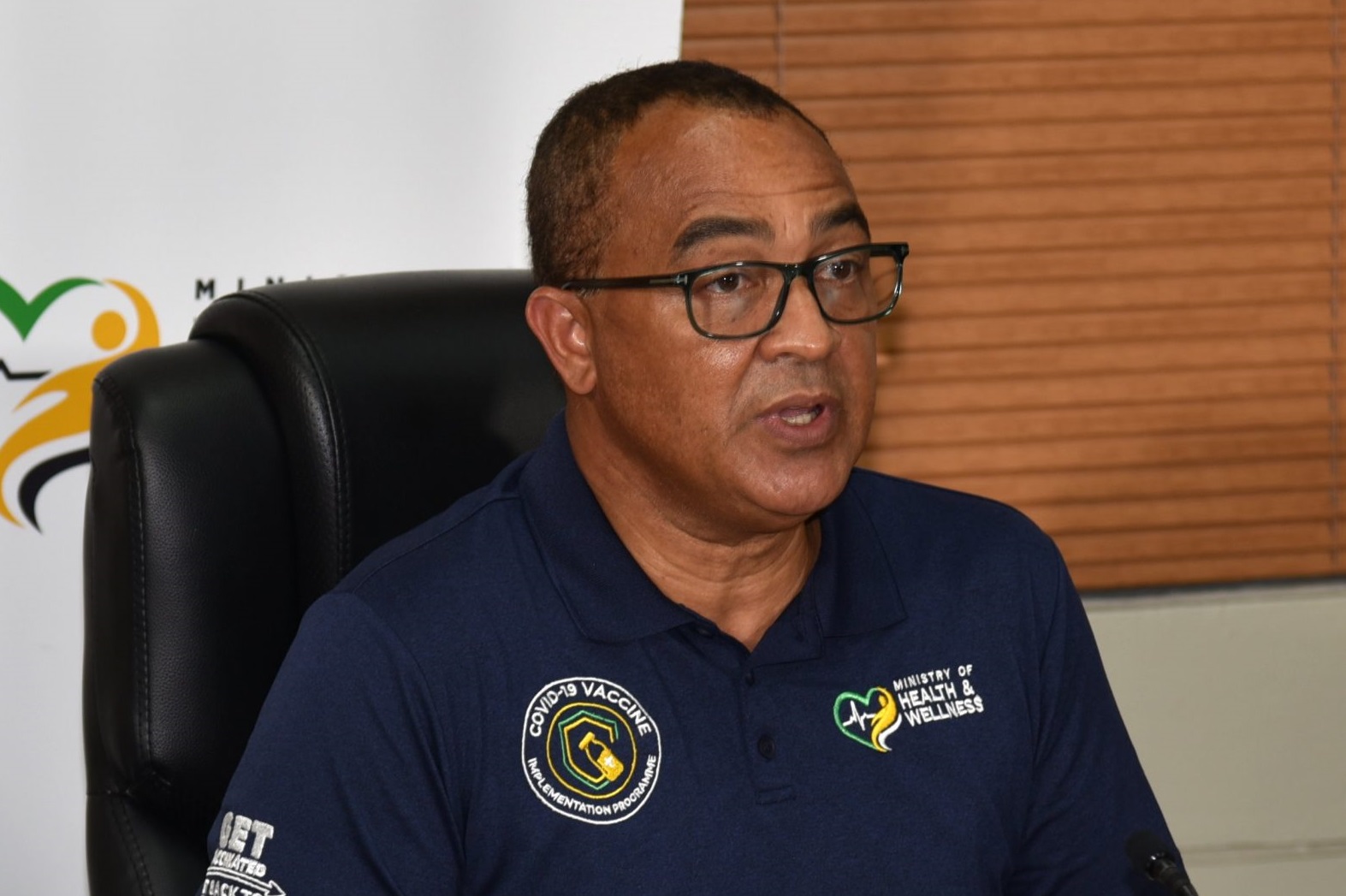
Speaking during a press conference on Wednesday, Tufton said there were 316 suspected, presumed and confirmed dengue cases.
“For us, it represents a concern… clearly not a panic, but a concern because it is almost a five-fold increase when compared to the corresponding period in 2022 where 65 cases were reported,” Tufton said.
He noted that a total of 39 positive cases have been identified. Of these cases, 38 were identified as dengue serotype two and one as dengue serotype four.
Type two has not predominated in the population since 2010 and according to Tufton – “the significance of this is it heightens the risk of a possible outbreak.”
All parishes have had dengue reported, and confirmed cases were detected in the Corporate Area and the parishes of St. Thomas, St. Catherine, Westmoreland, Portland and St. Ann.
Of the 39 confirmed cases of dengue, a total of 20 are among persons in the five to 14 age group.
“And so, part of the call from the Ministry of Health and Wellness is to encourage parents to treat children who have a fever with paracetamol and to avoid aspirin and aspirin-like medications such as ibuprofen,” the Minister advised.
Noting that the last dengue outbreak was in 2019, Tufton called on Jamaicans to effect the “traditional response” which is to search for and destroy mosquito breeding sites in their immediate surroundings.
In addition, Tufton said the Ministry has enhanced its vector control programme, and additional funding of $200 million has been provided by the National Health Fund (NHF) to support activities like drain-cleaning in areas where the vector index is highest.
He said there will also be an allocation to municipal authorities through the Ministry of Local Government and Community Development.
“We also commenced inspections in schools in the summer holidays leading up to the reopening of classes. This is expected to continue through to the end of this month along with national stakeholder meetings for external partners and collaborators,” Dr. Tufton added.
Furthermore, he noted that approximately 500 temporary vector control workers have been engaged since the enhanced programme commenced and there are approximately 60 vector vehicles available across the country to facilitate intensified activities.
There is adequate stock of insecticides in case of an outbreak and replacement supplies are being procured.
In addition, fogging has intensified, with activities extended to seven days per week.
Officers are now being asked to work on Saturdays and Sundays to revisit areas that are not accessible during the week owing to the absence of homeowners.
“The fogging is a big part of the response, but I will emphasise that fogging only takes care of the situation in a temporary way if breeding sites continue to exist, which is why we have to look for, search and destroy these breeding sites,” the Minister said.
Persons are again being asked to call their respective parish health departments to request fogging in their areas, as necessary.
CMC/jm/kb/2023