
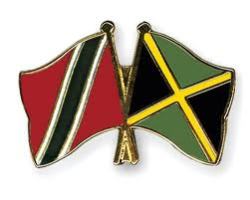
And for the Caribbean countries of Jamaica and Trinidad and Tobago, it was a double celebration of their 50th independence anniversary and Olympic victory – both countries won five gold medals between them.
Jamaicans and Trinidadians in London also hosted their own mini cultural festivals to mark their political milestones in east London and north London respectively.
Away from the festivities however, both communities have been reflecting on their progress over the last 50 years and their relationship with Britain since independence.
Trinidad and Tobago’s High Commissioner to London, Garvin Nicholas, told the Caribbean Media Corporation (CMC) that one of his country’s achievements has been the maintenance of strong trade links with the United Kingdom.
“The United Kingdom depends on Trinidad and Tobago for a lot of their revenue and energy supply. Some of their biggest companies such as British Petroleum, British Gas and Cable and Wireless have made tremendous fortunes out of investing in Trinidad and Tobago,” he said.
Indeed, Trinidad and Tobago is the UK’s largest export market in the Caribbean.
According to the government department, UK Trade and Invest (UKTI), in 2011 Britain exported goods totalling £118 million (One British Pound = US1.58) to Port of Spain, while its import bill from that Caribbean country stood at £193 million. The previous year, export services between the two countries stood at £30 million.
Trade between Trinidad and Tobago and the UK is concentrated in the areas of oil and gas, security and defence, information and communication technologies, health, waste water, education and training, and finance.
Jamaica is the UK’s third largest Caribbean market after Puerto Rico, importing £68.4 million worth of goods from the UK in 2010 and earning £47.8 million from exports. Britain’s main exports to Jamaica are chemicals, manufactured goods, food products, machinery and pharmaceuticals.
But while the twin-island republic enjoys a robust trade with its former colonial master, Nicholas said one area of contention is the recent increase in the controversial travel tax, Air Passenger Duty (APD), on flights from Britain to the Caribbean.
In November 2010, the APD was increased from £50 (US $78.54) to £75 (US $117.92) per passenger to the Caribbean. The UK government raised the levy further to £81 (US $127.20) in April this year.
Caribbean governments and tourism stakeholders have so far been unsuccessful in their efforts to get Britain to review the tax increases.
“I believe that the United Kingdom owes it to the Caribbean, especially former colonies. I think it is very important that the United Kingdom recognises this relationship and they don’t pay lip service, but ensure that whatever special relationship they may have with others, that they see the Caribbean as a region that deserves a special relationship based on historic ties and contributions made.”
Nicholas told CMC that while Trinidad’s economy is not heavily dependent on tourism and has not been significantly affected by the increased APD, the impact on other Caribbean countries should not be ignored.
However, David Jessop, the executive director of the UK think tank, The Caribbean Council, believes it is impractical for independent Caribbean countries to continue to expect any concessions from Britain.
“I think one of the problems is many Caribbean governments have not fully understood the fact that Britain has a very different view of the world.
“To make its economy more viable, the United Kingdom and UK companies have effectively disinvested and looked at other parts of the world where they see greater profitability. But the reality is that Britain doesn’t see the Caribbean in that context anymore,” he told CMC.
CMC/mc/pr/2012