
GEORGETOWN, Guyana, Nov. 26, CMC – Caribbean countries are establishing a regional network to strengthen intelligence-sharing and cross-border investigations into environmental crimes, including illegal fishing, mining and wildlife trafficking.
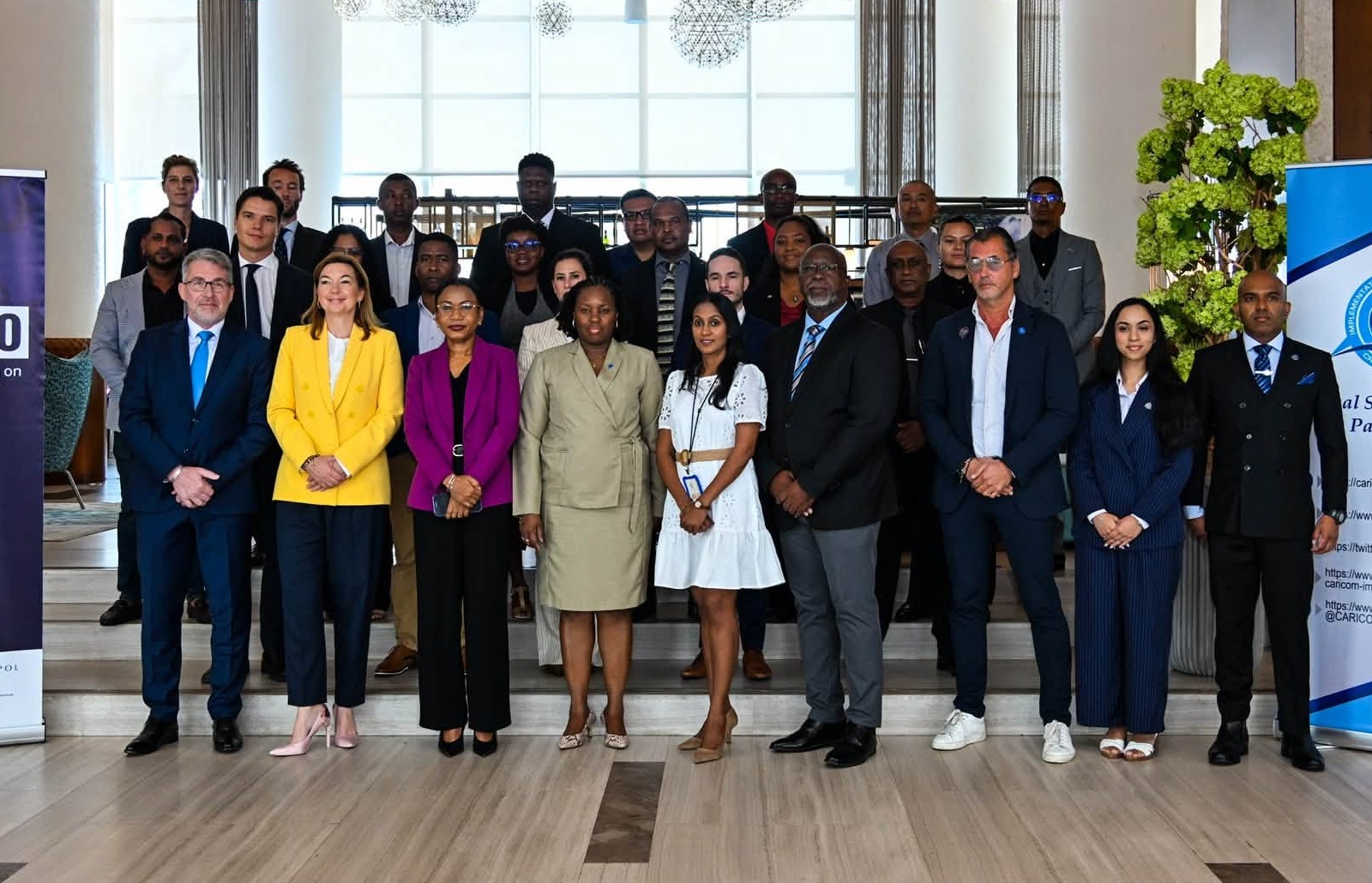
The Caribbean Community (CARICOM) Implementation Agency for Crime and Security (IMPACS), in partnership with the European Union (EU), convened the inaugural General Assembly of the Caribbean Network of Environmental Enforcement Agencies in Georgetown from November 25 to 26.
The two-day meeting is intended to formalise the network’s governance structure, adopt its guiding principles and confirm CARICOM IMPACS as its Executive Secretariat.
The initiative seeks to address gaps in cooperation, intelligence-sharing and investigative capacity among regional agencies as organised criminal networks increasingly exploit the Caribbean for the trafficking of illicit natural resources.
The crimes targeted include illegal, unreported and unregulated fishing, illicit gold and sand mining, wildlife and timber trafficking, and the dumping of hazardous waste.
Speaking at the opening ceremony, Maite Verhoeven, Strategic Key Expert for the Caribbean under the EU’s EL PACCTO 2.0 programme, said environmental crime threatens natural resources, economies, public health and coastal livelihoods, while also supporting organised criminal networks.
“Today, we are taking an important next step. We are moving from a shared ambition towards a functioning regional network,” she said, pointing to the experience of similar initiatives in Latin America, including the Jaguar Network.
Verhoeven said the Caribbean network must be shaped and owned by regional countries, taking account of their specific priorities, institutions and operational realities.
CARICOM IMPACS Assistant Director of Projects Nadine Bushell said the region’s ports, coastlines, maritime routes and transshipment points create opportunities for trade but also vulnerabilities that criminal actors exploit.
“No single country or agency or Region can address environmental crime alone. This makes regional cooperation not optional, but essential,” she said.
CARICOM Secretariat Programme Manager for Crime and Security Sherwin Toyne-Stephenson said environmental crime affected more than conservation, with implications for development, public health, food security, governance, community resilience and regional security.
He expressed the Secretariat’s support for CARICOM IMPACS taking on the role of Executive Secretariat, saying the agency would provide the coordination and institutional continuity needed to guide the network.
Anjanie Ramdass, Programme Manager at the European Union Delegation to Guyana, Suriname and CARICOM, said criminal networks exploited differences in national jurisdictions and enforcement gaps.
She pointed to cross-border initiatives, including the Guyana Shield operation and Operation DeepSea, as examples of how international cooperation could help disrupt criminal networks and protect shared natural resources.
Ramdass said the EU supported Caribbean-led solutions through EL PACCTO 2.0 and wider EU-CARICOM cooperation, linking the network with international partners including INTERPOL, the French Gendarmerie, Spain’s Guardia Civil Nature Protection Service and the Dutch National Police.
Delivering the feature address, Guyana’s Home Affairs Minister Oneidge Walrond said the illegal exploitation of forests, minerals, wildlife and marine resources deprived countries of national wealth, undermined legitimate businesses and challenged State authority.
“We are no longer simply dealing with environmental violations. We are confronting organised crime,” she said, adding that the objective must be to dismantle the structures sustaining illegal operations rather than simply interrupt individual activities.
Walrond said the network’s success would depend on its ability to help agencies work together when criminal operations crossed national borders.
Delegates and international partners are also examining operational case studies and cross-regional enforcement models, including Operations Madre de Tierra, DeepSea, Custos Viridis and Tarantula.
The Assembly’s expected outcomes include formalising the network’s governance and representation arrangements, improving intelligence and information-sharing, and drafting a regional action plan for 2027.
CMC/ed/2026