
GENEVA, May 24, CMC – The World Meteorological Organization (WMO) Friday warned of an “above average” hurricane season in the North Atlantic in 2024 and based on data from the US National Oceanic and Atmospheric Administration (NOAA), this would mark the ninth consecutive year of anomalies.
The specialised agency of the United Nations responsible for promoting international cooperation on atmospheric science, hydrology and geophysics, say typically, an average year sees 14 named storms with wind speeds exceeding 40 miles per hour.
However, this year, 17 to 25 storms are expected, with four to seven of them potentially becoming major hurricanes, characterized by winds of at least 111 miles per hour. The usual average is three major hurricanes per year.
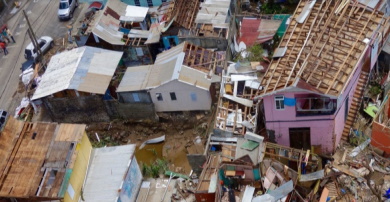
“It takes just one landfalling hurricane to set back years of socio-economic development. For example, Hurricane Maria in 2017 cost Dominica 800 per cent of its Gross Domestic Product,” said WMO Deputy Secretary-General, Ko Barrett.
The Atlantic Hurricane Season begins on June 1 and lasts until November 30 and the WMO said that the forecasted above-average hurricane season is attributed to high ocean heat and the anticipated development of La Niña weather phenomenon, which leads to significant cooling of waters.
WMO tracks hurricanes though its Tropical Cyclone Programme. There have been eight consecutive years of above-average activity, with the last below-normal season occurring in 2015. Improved early warnings and disaster risk management have significantly reduced hurricane-related fatalities.
Barrett said small island developing states (SIDS) in the Caribbean remain disproportionately affected.
The WMO and its partners have prioritized early warning initiatives for small islands under the international Early Warning For all Initiative.
They will advocate for more coordinated and targeted investment in early warning systems at the fourth International Conference on Small island Developing Stats (4th SIDS) taking place in Antigua and Barbuda from May 27-30.
From 1970 to 2021, tropical cyclones, including hurricanes, were the leading cause of reported human and economic losses globally, accounting for over 2,000 disasters. Despite this, the death toll decreased from more than 350,000 in the 1970s to fewer than 20,000 between 2010 and 2019. Reported economic losses for 2010-2019 amounted to US$573.2 billion.
WMO said naming tropical cyclones simplifies tracking and discussing specific storms, especially when multiple storms are active at the same time.
It said this practice helps avoid confusion among meteorologists, the media, emergency management agencies, and the public.
The WMO has established strict procedures for naming tropical cyclones, which vary by region. In the Atlantic and Southern Hemisphere, cyclones are named alphabetically, alternating between male and female names. In other regions, names follow the alphabetical order of the countries.
“We need to be especially vigilant this year due to near-record ocean heat in the region where Atlantic hurricanes form and the shift to La Niña conditions, which together create the conditions for increased storm formation,” said Barrett.
CMC/af/ir/2024