
WASHINGTON, May 31, CMC – The Pan American Health Organization (PAHO) Sunday urged countries in the Americas, including the Caribbean, to take steps to reduce tobacco use and warned against emerging tobacco and nicotine products that continue to threaten public health, particularly among young people.
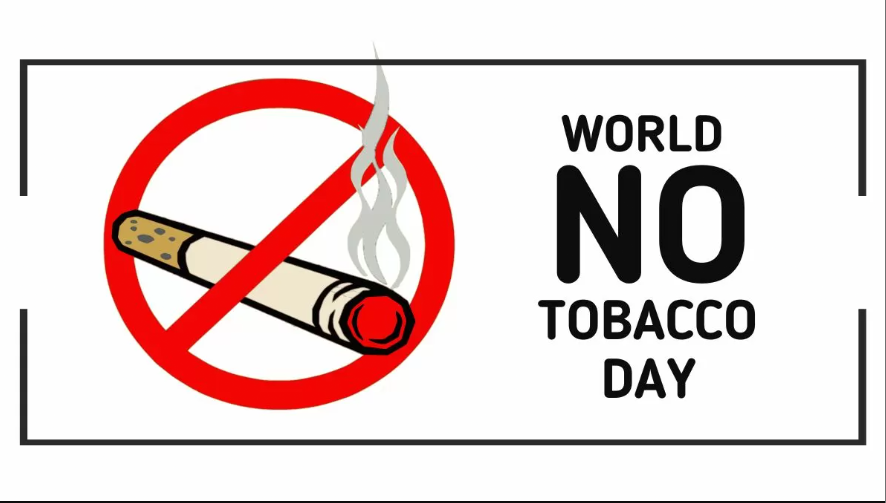 In a message marking World No Tobacco Day (May 31), PAHO said that this year’s theme, “Unmasking the appeal: countering tobacco and nicotine addiction,” underscores the need to expose industry tactics and empower people with accurate information.
“Tobacco and related industries continue to aggressively promote new products, such as electronic cigarettes and nicotine pouches, often presenting them as ‘innovations’ to attract and initiate use among children and young people,” said PAHO’s Director, Dr. Jarbas Barbosa.
PAHO said that despite this challenging context, there continues to be significant progress in the Americas, including Jamaica raising taxes on cigarettes.
It said that these actions align with growing evidence that tobacco and nicotine addiction is engineered through industry tactics that use flavors, sugars, and cooling agents to mask the harshness of nicotine and make products more appealing.
According to PAHO, across the Americas, an estimated 4.3 million adolescents aged 13 to 15 use tobacco products, including 2.6 million who smoke cigarettes, while about two million use electronic cigarettes. It said that these patterns reflect a shifting landscape, where newer products are increasingly shaping nicotine use among adolescents.
“The younger the age of initiation, the stronger the addiction. Protecting children and adolescents must remain at the core of tobacco control efforts,” added Anselm Hennis, Director of PAHO’s Department of Noncommunicable Diseases and Mental Health.
PAHO said that nicotine exposure during adolescence can have lasting consequences. As the brain continues to develop into early adulthood, nicotine can impair cognitive development and increase the risk of lifelong dependence.
“Even low levels of exposure can lead to addiction, underscoring the importance of prevention. All products, including cigarettes, electronic cigarettes, nicotine pouches, and heated tobacco products, carry risks and can lead to dependence. Quitting remains the most effective way to improve health, and benefits begin almost immediately and increase over time. ”
PAHO said it is calling on governments, civil society, and communities to accelerate action by implementing comprehensive, evidence-based policies. These include banning advertising, promotion, and sponsorship; eliminating flavors; mandating plain packaging; increasing taxes; expanding cessation services; and ensuring smoke-free and emission-free public spaces.
“Policy works. When governments take decisive action, they protect health, reduce addiction, and save lives,” Dr. Hennis said.
Tobacco use remains one of the leading causes of preventable death worldwide, killing up to half of its users and contributing to cardiovascular disease, cancer, and respiratory illness. As countries across the Americas continue to build on these gains, PAHO is urging sustained commitment to protect current and future generations from the harms of tobacco and nicotine.
CMC/kn/nb/2026