
PORT OF SPAIN, Trinidad, Sept 20, CMC – The Trinidad-based Caribbean Plant Health Directors Forum (CPHD) is warning the region of the negative impact of pest and invasive species to the livelihoods, food security, trade and the environment.
The CPHD in a statement following a three-day virtual meeting, said it had received updates from partner agencies, technical working groups and lead experts on plant health and allied areas encompassing a strategic plant health plan to support effective plant health safeguarding systems.
It said the Regional Priority Pest List working group presented the meeting with the model used to examine the parameters such as invasiveness; economic, social and environmental impact of the 10 quarantine pests that are either present or not, or if present in limited distribution and being officially controlled, reducing probability of highest impact.
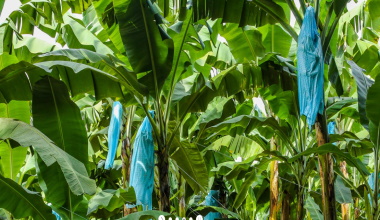
“The process resulted in identification of the red ring nematode that affect mainly coconut palms and present in a few countries as the number one priority crop pest for the region,” it said, adding that various pets and invasive species were affecting banana plantations.
The CPHD said that, the Mediterrean Fruit Fly (Medfly) has the ability to affect all varieties fruits and vegetables, while the rice panicle mite; and the maize lethal necrosis disease,(Red Palm Weevil) had also been detected.
“In support of the management of those pests and to build a safeguarding continuum, the CPHD launched and piloted the Caribbean Biosecurity Interceptions System (C-BIS) and developed the Emergency Response Plans (ERPs) for four priority pests for the Caribbean and the United States”.
It said it had also developed the guidelines for the conduct of table top simulation exercises, designed to address the issue of updated pest lists and to achieve an intervention strategy for surveillance at ports for the prevention of the entry of pests and invasive species in the region.
“The CBIS tool was successfully piloted in two countries namely Jamaica and Caymans and is to be rolled out to eighteen other countries,” the CPHD added.
It said the table top simulations for various pests was conducted in five countries and that the exercise served to prepare the national plant protection offices for pest incursions which potentially threaten food and nutrition security, trade and the socio-economic development of the region.
“In addition, it has provided best practices which can be used to optimize the outcomes of the simulations when scaled up to other countries in the Greater Caribbean,” the CPHD added.
The CPHD is a collaboration of national plant health services, regional and international organisations, with the common purpose of safeguarding the plant resources of the greater Caribbean Region (GCR) from the threat of quarantine pest.
CMC//es/ir/2022