
BELMOPAN, Belize, Sept 10, CMC – The Belize Agricultural Health Authority (BAHA) is calling on the public as well as backyard and commercial poultry producers to be vigilant for sick and dying birds after the authorities reported suspect cases of virulent Newcastle disease in the southern region of the country.
Newcastle disease is a highly contagious disease of birds caused by a para-myxo virus. Birds affected by this disease are fowls, turkeys, geese, ducks, pheasants, partridges, guinea fowl and other wild and captive birds, including ratites such ostriches, emus and rhea.
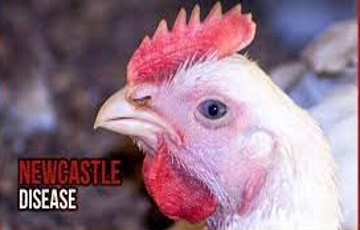 Symptoms of Newcastle disease include loss of appetite, coughing, gasping, nasal discharge, watery eyes, bright green diarrhoea and nervous signs such as paralysis and convulsions. Combs and wattles may be swollen and discoloured
The BAHA said that its laboratory had reported positive results of the disease based on PCR tests conducted on samples received from Silver Creek, Toledo.
“According to international protocol and national policy for a World Organization for International Health (OIE) listed disease of trade importance, a positive result from BAHA is considered a suspect case and samples need to be sent to an OIE reference laboratory for confirmation,” the BAHA said, adding that the disease is endemic in Belize and historically the country has experienced sporadic outbreaks in backyard poultry.
BAHA said in collaboration with the Ministry of Agriculture, Food Security and Enterprise, the Belize Poultry Association, the Regional International Organization for Agricultural Health (OIRSA) and the Inter American Institute for Collaboration on Agriculture (IICA), it is now instituting the emergency preparedness and response plan for OIE listed poultry diseases of trade importance.
It said the emergency plan includes movement control to prevent further spread from the infected region, vaccination of backyard poultry to curb the epidemic and maintaining a high level of biosecurity of the commercial operations.
BAHA said that this will be accompanied by a public awareness programme and continuous monitoring of affected areas.
Human infection with Newcastle disease is uncommon, but people exposed to infected birds may experience headaches, flu-like symptoms and conjunctivitis for one to two days.
CMC/fd/ir/2021