
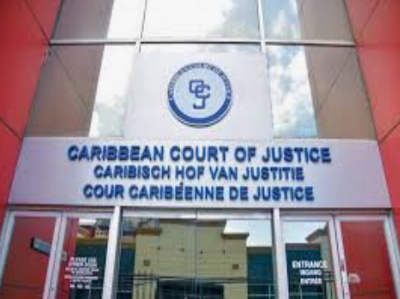
PORT OF SPAIN, Trinidad, May 14, CMC- The Trinidad-based Caribbean Court of Justice (CCJ) has dismissed an application for an extension of time to apply for special leave in a murder case from Belize.
William Mason, also called Danny Mason, along with four other accused, had been convicted of the murder of Pastor Llewellyn Lucas on July 18, 2016.
The prosecution’s case was built on circumstantial evidence including CCTV footage, witness testimonies, and forensic evidence.
 The Court of Appeal had previously dismissed Mason’s appeal on July 11 last year, finding that the trial judge’s decision was based on a thorough assessment of the circumstantial evidence.
Mason’s attorney fell ill after the delivery of the Court of Appeal judgment and the time for the filing of an application for special leave to appeal to the CCJ expired.
Mason eventually retained a new attorney from Trinidad and Tobago and filed applications to extend the time to apply for special leave to appeal, and for special leave to appeal on November 5, last year, 117 days after the judgment of the Court of Appeal.
The CCJ considered whether there was a valid explanation for the delay and whether the proposed appeal had a realistic chance of success.
Despite acknowledging gaps in the explanation, the CCJ accepted the reasons for the delay, including the attorney’s hospitalisation, the length of Mason’s incarceration, and the new attorney’s location outside of Belize.
The CCJ said it considered the realistic chance of success of the issues raised in the proposed grounds of appeal. These included the circumstantial nature of the evidence, the weight placed on certain prosecution evidence, and whether there was any procedural impropriety leading to double jeopardy (that Mason was prosecuted twice for the same offence).
But the CCJ, the country’s highest and final court, found that there was no realistic chance of success on these issues having regard to the evidence and findings of the courts below. Additionally, it noted that the issue of potential double jeopardy was raised for the first time at the CCJ; consequently, it could only be pursued in exceptional circumstances.
The CCJ concluded that there was no risk of a serious miscarriage of justice and no disputable point of law of general public importance.
The CCJ’s decision means that Mason’s conviction and sentence were, therefore, upheld.
CMC/ah/ir/2025