
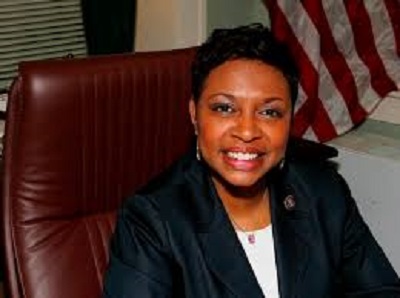
NEW YORK, Mar 18, CMC – Caribbean-American Democratic Congresswoman Yvette D. Clarke has introduced legislation that would exempt physicians and other health care workers from the new US$100,000 fee for H-1B petitions implemented by the Donald Trump administration.
She told the Caribbean Media Corporation (CMC) that the H–1Bs for Physicians and the Healthcare Workforce Act has the support of other US legislators and would also prohibit new H-1B fees imposed on health care workers that exceed the existing fees under the US Code.
The initiative comes after Clarke and anther legislator organised 100 Members of Congress in urging the US Department of Homeland Security to exempt the health care sector from the fee.
“As they are in so many areas across our society and economy, immigrant Americans remain indispensable assets to keeping our hospitals and health systems running steadily, efficiently, and effectively,” said Clarke, who is also chair of the Congressional Black Caucus.
“The bipartisan willingness to ensure migrant health care workers are exempt from the US$100,000 fee for H-1B petitions stands as a testament to the widely accepted value and necessity of these workers in one of this country’s most vital, yet vulnerable sectors.
“I am proud to co-lead this effort to prevent dangerous workforce shortages from impacting the health and well-being of Americans, as well as to ensure that those who are willing to contribute their expertise and talents to our nation can continue to do so at the times when we most need them,” she added.
New York law maker, Mike Lawler said hospitals, community health centers, and other critical facilities are facing serious workforce shortages that threaten access to care.
He said they can’t pay a US$100,000 price tag on new immigrant workers.
“Without the clarification provided in this bill, the physicians and the wider healthcare workforce would effectively be shut out of the H-1B programme, furthering workforce shortages and limiting care options.
Clarke said the US healthcare industry relies on the H-1B visa programme to recruit physicians, nurses, and other healthcare professionals, particularly in rural and underserved communities, such as Caribbean communities, facing workforce shortages.
According to the Health Resources and Services Administration, nearly 87 million Americans live in areas federally designated as lacking enough medical professionals to meet community health care needs.
Clarke said the H-1Bs for Physicians and the Healthcare Workforce Act exempts health care workers, defined under the Affordable Care Act, commonly known as Obamacare, from the US$100,000 fee required for certain H-1B visa petitions under the September 2025 Presidential Proclamation and prohibits additional fees beyond those already established under existing immigration law for these workers.
Chief executive officer of the Association for Advancing Physician and Provider Recruitment (AAPPR), Carey Goryl, said the US$100,000 H-1B filing fee on health care entities poses “a serious challenge to provider recruitment at a time when demand for physicians and other health care professionals continues to grow.
“Hospitals, health systems, and practices across the country rely on international physicians and health care professionals to meet patient needs. This fee could slow recruitment efforts and make it harder for employers to bring on the providers their communities depend on,” Goryl added.
CMC/nk/ir/2026