
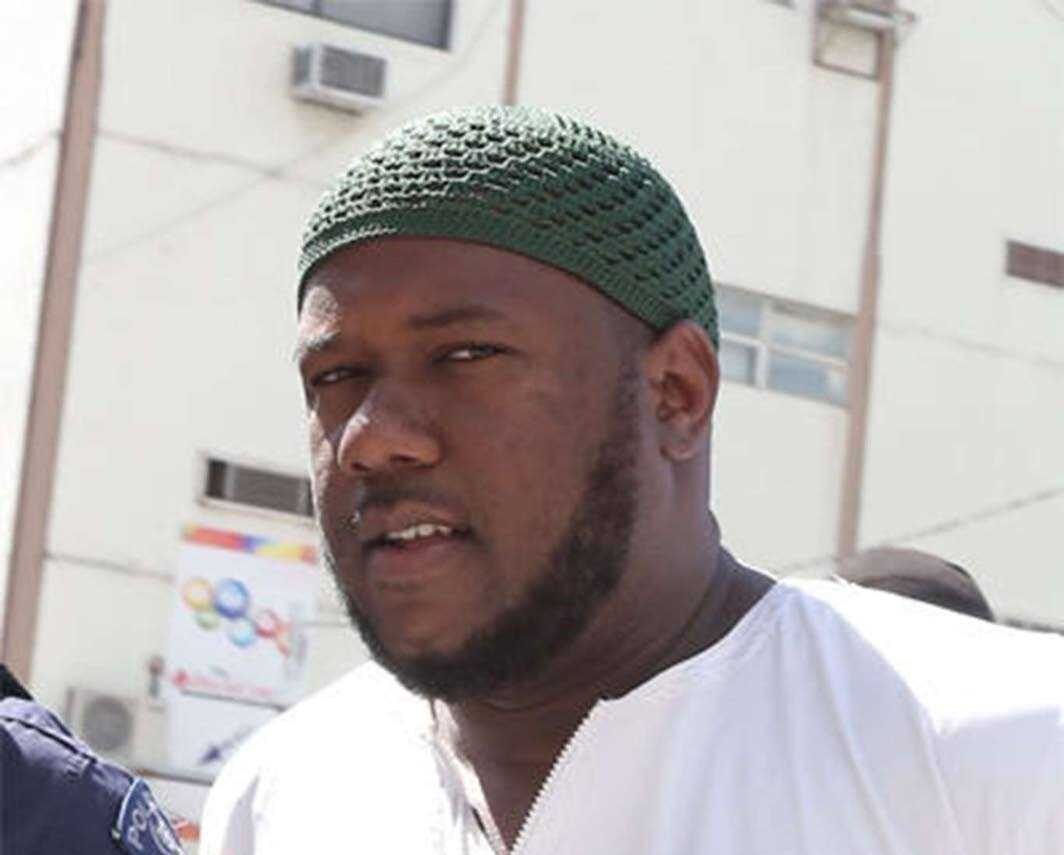
PORT OF SPAIN, Trinidad, Jul 20, CMC – A High Court judge has dismissed a habeas corpus application filed by attorneys for murder accused Rajaee Ali, who had challenged his transfer from the Maximum Security Prison to a secure facility under the ongoing State of Emergency (SoE). However, Ali’s legal team has threatened to take legal action against the Attorney General, arguing that his constitutional rights are being infringed.
The application by Ali’s lawyers contested the decision to move him as part of intensified national security measures, following intelligence that a criminal network operating from within the prison system was plotting to assassinate public officials and attack state institutions.
Ali is one of ten men awaiting trial for the 2014 murder of Senior Counsel Dana Seetahal.
Following a virtual hearing on Friday night, Justice Frank Seepersad dismissed the application in full and ordered the applicant to pay legal costs. The judge pointed to Legal Notices 240 and 241, which declared additional locations as official prisons under the Prison Act, and emphasised the need to balance individual rights with national security in times of crisis.
“Less than 24 hours into a State of Emergency, the rights of one citizen cannot trump the rights of a nation as a whole,” he stated.
In a statement on Saturday, the Trinidad and Tobago Police Service (TTPS) said the ruling affirms the legality of recent operational decisions taken in the interest of public safety.
Commissioner of Police Allister Guevarro questioned the basis of the legal challenge.
“Jail is jail. One secure facility is just as effective as another, so I am confused as to why they want to pick and choose where they want to be housed whilst they are under the care of the State,” he said. “Is there something or someone special at the other facility?”
The TTPS reiterated its commitment to lawful operations and maintaining order during the SoE.
But Ali’s lawyers have issued a pre-action protocol letter to Attorney General John Jeremie, claiming their client’s constitutional rights are being violated. According to the Trinidad Guardian, the attorneys allege they were blocked from seeing Ali after learning he had been relocated.
“Upon arrival at the entrance of Squabbles (Staubles) Bay, the applicant’s attorney at law was denied access by members of the Trinidad and Tobago Defence Force. All persons wore masks, and no identification was provided. The members of the Trinidad and Tobago Defence Force indicated that they could not inform anyone of the location of the applicant,” the letter states.
They argue that denial of legal access, even temporarily, could compromise any statements obtained from their client or taint ongoing investigations. They further warned that the situation could open the State to future legal claims for procedural unfairness or violations of due process.
CMC/ed/2025