
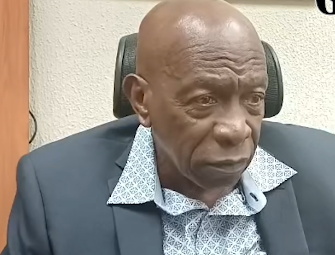
PORT OF SPAIN, Trinidad, Sept 23, CMC – The former vice president of the International Football Federation (FIFA) Austin Jack Warner, Tuesday expressed his relief at the decision of a High Court here not to have him extradited to the United States where he is wanted on a number of fraud related charges.
“I feel relieved, but I want you to understand that this took 10 years of my life and I want to especially thank my legal team,” Warner said, after High Court Judge, Justice Karen Reid ruled against extraditing the former FIFA senior official.
“They had to face 15 lawyers from the state…and after 10 years, I am thrilled, I cannot find the words, relieved by the fact we were able to win this matter and that the extradition has been permanently stayed.
“For me, it is a big event, a red letter day and all I could say I thank God and I also thank my family for standing with me through these difficult times,” he said, adding “ I will say much more later on”.
Warner, 81, faces 29 charges from US authorities for fraud, racketeering, and illegal wire transfers that allegedly took place in the North American country, Trinidad and Tobago, and other countries between 1990 and June 2011.
He was arrested on a provisional warrant under the extradition request and later released on TT$2.5 million (One TT dollar=US$0.16 cents) bail. Warner is one of several senior FIFA officials indicted following a 2015 US Federal Bureau of Investigation (FBI) and Department of Justice probe into corruption in international football.
In August this year, Attorney General John Jeremie launched an internal investigation into how the State handled Warner’s extradition case, after serious allegations emerged regarding misrepresentation and misconduct tied to a 2015 agreement with the United States.
Former chief magistrate Maria Busby Earle-Caddle had in June 2023 said that there was no formal written agreement between Trinidad and Tobago and the US authorizing Warner’s extradition.
His extradition proceedings had been mired in legal challenges — notably over what’s called the “specialty principle,” which requires that a person extradited can be prosecuted only for the offences listed in the extradition request.
(More to follow)
CMC/2025