

ST. GEORGE’S, Grenada, Sept 15, CMC – Prime Minister Dr. Keith Mitchell on Wednesday called for work to begin on a Caribbean Community (CARICOM) digital foreign policy strategy, as he pointed to a need for the regional grouping to advance digital skills for the workforce at an unprecedented level.
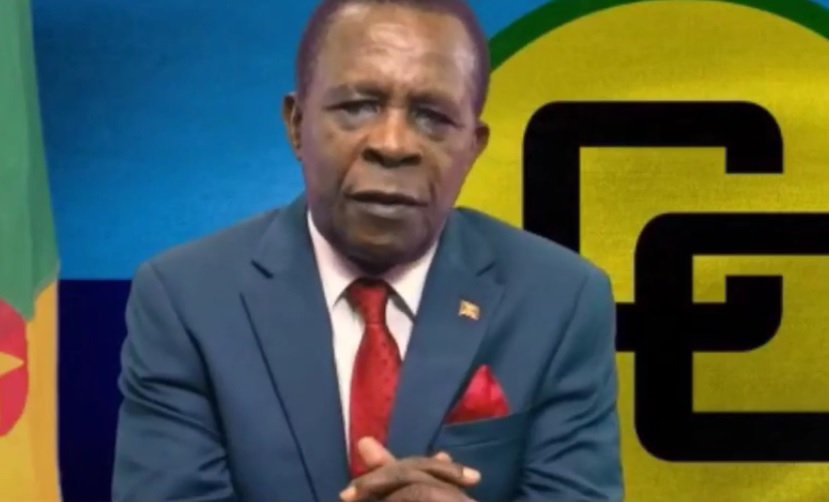
Addressing the launch of the CARICOM Digital Skills Task Force, the Grenadian leader who has responsibility for Science and Technology in CARICOM’s Quasi Cabinet, said digital skills are required across the board in all sectors, and to build and foster the CARICOM digital economy, a digital workforce is needed.
He said the convergence of multiple technologies holds the promise to address CARICOM’s pressing economic and social development challenges.
“To become a medium to high growth economy, CARICOM as a whole, needs to advance digital skills for the workforce at an unprecedented level, particularly for low-skilled workers who will otherwise bear the brunt of job vulnerability,” Prime Minister Mitchell told those attending the virtual meeting.
“I see a need for a new paradigm in CARICOM foreign policy. CARICOM has friendly working relations with many countries which are regarded as leaders in the area of digital talent and competitiveness. We must use these alliances to actively promote and garner assistance for the CARICOM digital strategy and to enhance the digital skills of our people. The time is now for us to begin work on a CARICOM digital foreign policy strategy.”
He added that the advocacy work being done at the level of Heads of Governments and teams must be replicated across all levels of government and governance to ensure uniformity in our conversations and requests to move CARICOM countries forward in the digital space.
Dr. Mitchell said it was important for CARICOM’s youth, who account for about 60 per cent of the region’s population, to be a major party of the digital transformation.
He noted that although they have a much higher level of education regarding digital skills and competencies and are often considered digital natives, “the reality is that the majority do not possess job-relevant digital skills”.
“Given the prevalence of youth unemployment, the growth potential of the digital economy and skills present an opportunity for tackling this and fostering entrepreneurship,” Prime Minister Mitchell said.
Turning his attention to the CARICOM Digital Skills Task Force – which has as its principal objectives, promoting awareness of the importance of digital skills in the region for economic and social development as well as providing technical guidance on a coordinated approach to mitigating the digital skills challenge, exacerbated by the COVID-19 pandemic – the regional leader described it as an important entity for CARICOM as it continues the march towards digital transformation.
The Task Force is chaired by Carlton Samuels, former director of Information Technology at the Mona campus of the University of the West Indies (UWI) and includes CARICOM member countries and regional and international entities, including the Caribbean Congress of Labour (CCL), Caribbean Association of National Training Agencies (CANTA), Caribbean Examinations Council (CXC), UWI and the Caribbean Union of Teachers (CUC).
Dr. Mitchell thanked the members for “agreeing to serve in such a critical capacity that is likely to have a significant impact on the future of the region”.
He said they would need to grapple with a variety of issues, including how to develop digital talent in CARICOM, to help the region arrive at a comprehensive, harmonised CARICOM frame of reference on digital skills, as it works towards achieving key sustainable development goals by 2030.
“Your work is vitally important to what is envisioned as a human-centred, sustainable and more prosperous digital future that requires a whole-of-CARICOM approach and which includes institutions, governments, industry, academia and civil society,” he said.
CMC/ed/2021