
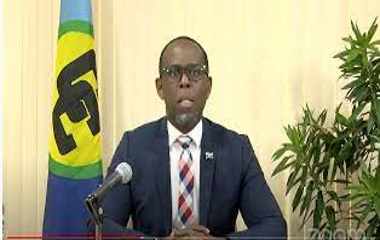
PORT OF SPAIN, Trinidad, Nov 20, CMC – The third regional workshop on the Caribbean Community (CARICOM) Core Sustainable Development Goals (SDGs) Indicators began here on Monday, with a senior CARICOM official underscoring the importance of ensuring the availability of measurable data necessary to determine progress towards the achievement of the 2030 development agenda.
The four-day workshop, which is being hosted by the Trinidad and Tobago government in collaboration with the Central Statistical Office (CSO) provides delegates with an opportunity to discuss matters pertinent to the sustainable development of the Caribbean.
The workshop is being supported by the European Union, through the 11th European Development Fund (EDF).
In his address to the workshop, CARICOM Deputy Secretary General, Dr. Armstrong Alexis recalled that in September 2015, the 2030 United Nations Sustainable Development Goals (SDG) were agreed to by global leaders, including that in the Caribbean.
He said the 17 SDGs, 169 targets and 231 unique indicators have become the means allowing for the monitor, measure and report on sustainable development worldwide.
“ For our region, we have identified 125 unique CARICOM Core SDG indicators that we will focus on and ensure data is available for tracking Caribbean progress using the 2030 framework.
“We are now at the halfway stage of the 2030 Development Agenda and the UN Secretary General has reminded us that the world is not on track to achieve the SDGs,” Alexis said, noting that the recent SDG summit held in September has informed the world that at the midpoint of Agenda 2030, the SDGs are in jeopardy as progress stalls amid the climate crisis, economic fluctuations, conflicts and pandemic aftermath.
“In our own region, we have faced unanticipated setbacks. Our plans to undertake household surveys and other data-gathering interventions have not materialised and we have faced significant delays in the conduct of the 2020 round of censuses”.
He said whilst it is recognised that availability of data must be juxtaposed against meaningful interventions to ensure no one is left behind, “we must emphasise “.
Alexis said that many CARICOM countries have submitted Voluntary National Reports (VNR) and through this mechanism, gaps have been identified and progress reported.
“As statisticians, your role is to ensure the availability of the data that informs reporting on progress and in undertaking this responsibility, you can be assured of the support of the CARICOM Secretariat.
“Our Regional Statistics Programme has been a critical cornerstone of the regional effort and their undertakings have been pivotal in our ability as a Secretariat to update member states and receive approvals through the Council of Human and Social Development.:
Alexis said that the Guyana-based Secretariat will continue to provide this support “for it is critical that that commitment made in 2015 for a better future for people and planet, continues to be our goal”.
He said he has taken note that the plan to undertake a second assessment to determine the kind of support member states will need to produce the agreed-upon data related to the core SDG Indicators approved by the Council for Human and Social Development (COHSOD) in 2018.
“Despite the immense challenges that we have faced, one thing is certain and that is we cannot relent and it is incumbent upon us to periodically review where we are and what else needs to be done to ensure continued progress.
“Let us therefore use this opportunity of the next few days to take stock and recommit ourselves to the actions necessary to ensure the achievement of the 2030 Development Agenda.”
He said over the next four days he was urging delegates to “engage in open and collaborative discussions, drawing upon our collective expertise to address the challenges and to seize the opportunities that lie ahead.
“I am therefore confident that the outcomes will contribute significantly to the advancement of sustainable development in the CARICOM region,” Alexis added.
CMC/af/ir/2023