
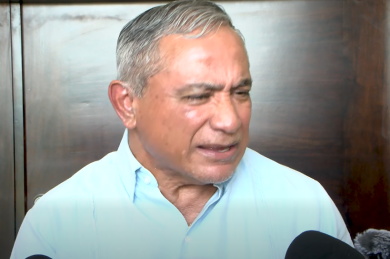
BELMOPAN, Belize, Aug 4, CMC – Prime Minister John Briceño says the proposed Broadcasting Bill is not an attempt at silencing the population but will target social media-based news platforms that generate revenue while operating outside the rules that govern established media houses.
“There’s nothing about censorship. I don’t know how you can come to that. I think the big thing about the broadcasting authority is now all of these online media blogs or whatever that are taking advertisements and everything, they have to be held to the same standards that you are being held,” Briceño said of the proposed bill remains in the consultation phase.
“You all are at a disadvantage competing with these bloggers. These bloggers go online and they hear something and just put it out there without even checking if it is so or not so and all kinds of things, and they are collecting revenues,” he added.
In a statement posted on its official Facebook page, the Government of Belize Press Office states that the proposed bill “introduces the concept of a National Online Broadcaster and provides a framework for licensing and exemptions within that category.
“Simply posting, sharing content, or going live does not automatically mean a persons fall within that category,” it said, noting also that the legislation “provides for exemption criteria to help determine when licensing requirements may apply to National Online Broadcasters”.
It said the goal is to create a modern broadcasting framework “that reflects today’s media landscape while recognising that not every online activity is treated the same”.
The government said that the bill also allows the Authority to prescribe exemption criteria for certain National Online Broadcasters.
Prime Minister Briceño told reporters that if bloggers are providing a service to the public they need to be held to the same journalistic standards with the established media outlets.
“Technology has changed, so we can’t continue using the same legislation that was addressing technology of the 1990s. We have to keep up with that, so it has absolutely nothing to do with censorship,” Briceño added.
CMC/ah/ir/2026