
BRIDGETOWN, Barbados, Nov 5, CMC – Barbados is developing a bio-plastics strategic plan to provide a roadmap for the integration of bio-based and compostable products into the national circular economy initiatives by year end.
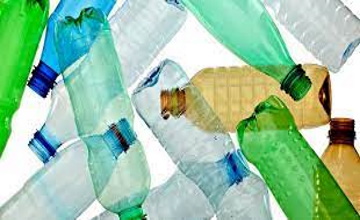
The authorities said the plan will focus on compostable plastics, which are those that break down into natural substances.
 Permanent Secretary in the Ministry of Maritime Affairs and the Blue Economy, Sonia Foster, said that work on plastics was integral to the protection of the ocean space, and described the legislative framework around the elimination of petroleum-based plastics as the first step in the process.
“In 2020, we enacted legislation to curb the proliferation of these types of plastics. And, though we have had some level of success, we are painfully aware that there is a need for a change in behaviour, habit and tradition.
“(But), we are cognisant of the fact that we cannot completely erase decades of established practice in a matter of two years,” Foster said.
She told a virtual workshop on: Implementing Standards for the Use of Disposable Plastics in Barbados that the government is continuing its pursuit of working towards a cleaner environment and oceans, a beautiful nation, and improved health outcomes, not only at the level of the marine environment and its inhabitants, but also in the food chains.
The senior public servant noted that work in the area of plastics being undertaken by the Ministry fit the mandate of the promotion of the blue economy as a driver of economic growth and livelihoods.
She said that the concept of the blue economy related to the oceans as a source of natural capital, a space for the pursuit of livelihoods, an avenue for good business and a driver of innovation.
“If we accept this idea, then we have to accept that we need to do all we can to protect this resource,”
Foster said, adding it is for this reason that the Ministry was continuing its work on the establishment of marine managed areas, the development of marine spatial plan in collaboration with the Nature Conservancy for the island’s entire Exclusive Economic Zone, and reef restoration programmes with a number of local and international partners.
However, she conceded that one of the main challenges facing countries like Barbados was the lack of capacity to overcome technical barriers to trade and comply with requirements of agreements on sanitary and phytosanitary conditions.
“[These] are now basic prerequisites for market access embedded in the global trading system. The ascension of these standards can help to facilitate our ability to export,” Foster said.
CMC/df/ir/2021