
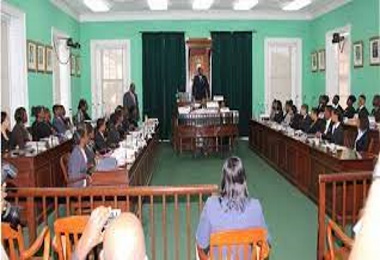
NASSAU, Bahamas, Jul 28, CMC -Parliament Thursday night gave the green light to the Protection Against Violence Bill with National Security Minister Wayne Munroe saying the legislation would help the Bahamas grapple with increasing reports of sexual assaults.
“It is imperative that we do what is necessary to seek to stop people hurting people,” Monroe said, adding that is very important, “now, not later; not four and half years from now; not in our supposed next term.
“The statistics are growing for sexual violence and cases for violence generally, and so the luxury of waiting and discussing further has long passed,” he told legislators.
The bill allows for the establishment of the Protection Against Violence Commission to promote awareness of human rights issues, support victims and liaise with key officials when victims feel they lack full cooperation from the police. It will also establish a Protection Against Violence Foundation to raise funds so the commission could perform its duties as well as establishing a Protection Against Violence Secretariat to coordinate and formulate protocols relating to applications for the commission.
The legislation outlines the rights of victims of violence and how their complaints should be handled. The rights include the right to be treated with compassion and dignity, to be informed, to confidentiality, to privacy and to access a telephone hotline.
But Prime Minister Philip “Brave” Davis expressed his disappointment that some women’s groups announced their opposition to the bill at the “last hour” even though many meetings and discussions had taken place prior to the debate.
Davis said that there were some women’s groups that also prefer the legislation to be called a Gender Violence Bill, but noted that the new legislation is more inclusive than previous drafts.
“We are recognising that violence and the circumstances of violence touches all genders and particularly, we have to recognise that the term gender has a lot of sexual orientation and those persons with their sexual preferences, etc, they too are subject to violence,” he said, noting as well that children experience violence that may not be gender-based.
But a press release announcing opposition to the bill was purportedly supported by several women’s rights groups and leaders, including Marion Bethel, the vice chairperson and rapporteur of the UN Human Rights Committee on Women & Girls Rights. The women argued that the bill they supported was more comprehensive than the one passed on Thursday night.
The chair of the Caribbean Women in Leadership, Charlene Paul, said the 2016 bill “was like 58 pages”, unlike the latest version, which is 26 pages.
But Prime Minister Davis assured legislators that “I can say that the lawyers and drafters advised me, and I’d like to advise everyone that this bill does, in fact, satisfy our obligations under international treaties, including the treaty of CEDAW.
“That’s what they told me, and so, it may not be perfect, but at the very least, if you had concerns, why wait on the day or the eve of our debating the bill to raise those concerns? That is troubling when the bill was here in Parliament, and if the kind of interest that is now being expressed was there, I would’ve expected to have heard from the group before now.”
However, Prodesta Moore, the founder of Women United, one of the groups opposing the legislation, said advocates did not know the bill would be debated yesterday until late.
However, Social Services Minister Obie Wilchcombe read a letter he said was sent to many women’s rights groups and leaders in June informing them about the bill so the administration could solicit feedback before the debate began.
“We heard from one group. But I spoke off the record and on the record to some others, but one group wrote in…so yes, consultation was sought… from a wide range of people and no one voiced objection at the time.”
Prime Minister Davis told Parliament some provisions had been removed from the bill over time “because the bill has widened and broadened the scope of persons to whom violence could be committed.
“ And it also decides not to dumb down the punishment against persons who would have committed violence against women,” he said, adding that the previous bill imposed a weaker sentence on a man who committed violence against women, a difference of one year versus 20.
“After the passage of this bill, we will need to make a tremendous effort to generate and allocate resources to hold training sessions and to update our systems and processes to meet our goals.
“We also acknowledge that we are dealing with entrenched views about violence that may take some time to change. In fact, some of those holding these views about violence work in law enforcement, healthcare, social services and other places that survivors of violence rely on,” Davis added.
CMC/ag/ir/2023