
NASSAU, Bahamas, Aug. 4, CMC – A decade after it was first formed, the Bahamas National Reparations Committee was officially relaunched on Friday.
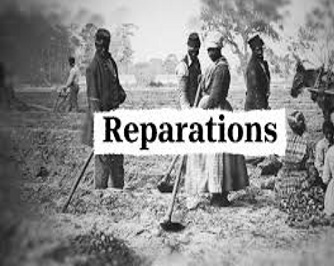 According to the chair of the committee Dr. Niambi Hall Campbell Dean, the committee never stopped working although there were times when the committee’s activities were less known due to the lack of resources to raise awareness.
Acting Minister of Foreign Affairs Dr Michael Darville said the Bahamian government supports the work of the committee.
“The government of The Bahamas stands shoulder to shoulder with this distinguished committee and CARICOM Reparations Commission as they continue to engage our former colonial state on the historic, moral, and legal case for reparations concerning crimes against humanity, stemming from genocide and slavery brought on by the transatlantic slave trade and yes we cannot forget climate justice,” Dr Darville said.
The issue of reparations for native genocide and chattel slavery was brought to the forefront at the 34th CARICOM heads of government held in Trinidad and Tobago in 2013.
At that meeting, the establishment of National Reparations Committees and a regional CARICOM Reparations commission were agreed upon.
In March 2014, the cabinet of The Bahamas established The Bahamas National Reparations Committee led by Alfred Sears and Philip Smith and later Professor Chris Curry who served as Chair from 2017 to 2018.
The “Report on Reparations for Transatlantic Chattel Slavery in the Americas and the Caribbean” calculated that the United Kingdom would likely owe £18.8 trillion for its slavery involvement in 14 countries.
Dr Campbell Dean referenced this report when speaking about the sum owed in reparations; however, she explained the reparations movement in the Caribbean is a developmental reparations movement.
“So we have a 10-point plan in which reparations would help to assist in those areas of development, including things like public education, public health awareness, psychological rehabilitation. All of the things that were underdeveloped and destroyed through colonialism and slavery.”
“So while trillions of dollars may seem like an astronomical number Emancipation seemed like an astronomical event and yet we are here celebrating 190 years, and so we believe that reparations will come and it’s just a matter of time,” she said.
Meanwhile, Campbell Dean and other committee members are preparing to participate in a Regional Diaspora Conference in Brazil and the Pan African congress in Togo.
CMC/bh/kb/2024