
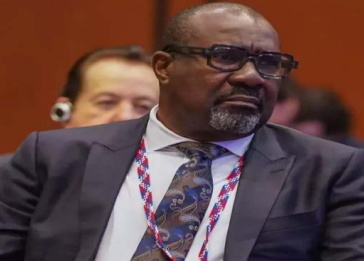
ST. JOHN’S, Antigua, May 13, CMC- Chairman of the Antigua and Barbuda Electoral Commission (ABEC), Arthur Thomas, has denied suggestions that the electoral body had been compromised during the April 30 general election.
Thomas is also threatening legal action against former ABEC deputy chairman, Bruce Goodwin, who during his appearance on a media programme questioned the independence of the Commission and the legitimacy of the general election.
In a statement, Thomas said that the statement by Goodwin sought to undermine both the independence of ABEC and the country’s trust in the institution.
“Those statements, which seek to cast doubt on the independence of the Commission and the legitimacy of the general election held on the 30 of April 2026, are categorically rejected in their entirety. They are serious allegations made publicly, without proof, without restraint, and without any responsible regard for the damage they are capable of causing to public confidence in the country’s democratic institutions,” he said.
Prime Minister Gaston Browne’s gamble of calling a general election nearly two years ahead of the constitutional deadline, paid off when he guided his ruling Antigua and Barbuda Labour Party (ABLP) to a commanding victory.
ABEC figures showed that the ABLP had won 15 of the 17 seats at stake in the election, reversing the slim victory it had achieved in January 2023, when the party scrapped home by a 9-7 margin.
The leader of the main opposition United Progressive Party (UPP), Jamale Pringle, was the only candidate of the party to have withstood the ABLP onslaught, while on the sister isle of Barbuda, the incumbent Trevor Walker of the Barbuda People’s Movement (BPM) retained the seat polling 609 votes as against 398 for Kendra Beazer, a former BPM member, who contested the poll on behalf of the ABLP.
In his statement, the ABEC chairman noted that the source of the allegations came from Goodwin, “ a person who should understand the constitutional role of ABEC, and the care with which electoral systems must be administered, and the grave consequences that follow when inflammatory allegations are launched into the public domain without evidential foundation”.
ABEC also categorically denied that its systems were linked to any government apparatus or subject to partisan influence, stating that its “policies, procedures, and systems are not captured by the state, are not directed by any political party, and are not linked in any improper way to any apparatus of government”.
Thomas also defended the reputation of the Commission’s staff, rejecting what he called an attack on those who had served with distinction.
“These officers are not to be casually defamed by insinuation and political theatre. They are entitled to the protection of the institution they serve and to an affirm public defence of their integrity,” he said, adding that if Goodwin had evidence he should produce it through the proper channels.
“The proper course where any person claims to possess evidence of wrongdoing is plain. That evidence ..diminish trust, and bring the electoral process into disrepute. That is not accountability. It is irresponsibility,” Thomas said.
ABEC has since called on Goodwin to publicly retract his statements adding ‘the Commission re serves all of its legal rights and will not hesitate to employ the remedies available to it should that become necessary in order to vindicate its reputation and protect public confidence in the administration of elections”.
CMC/ah/ir/2026